
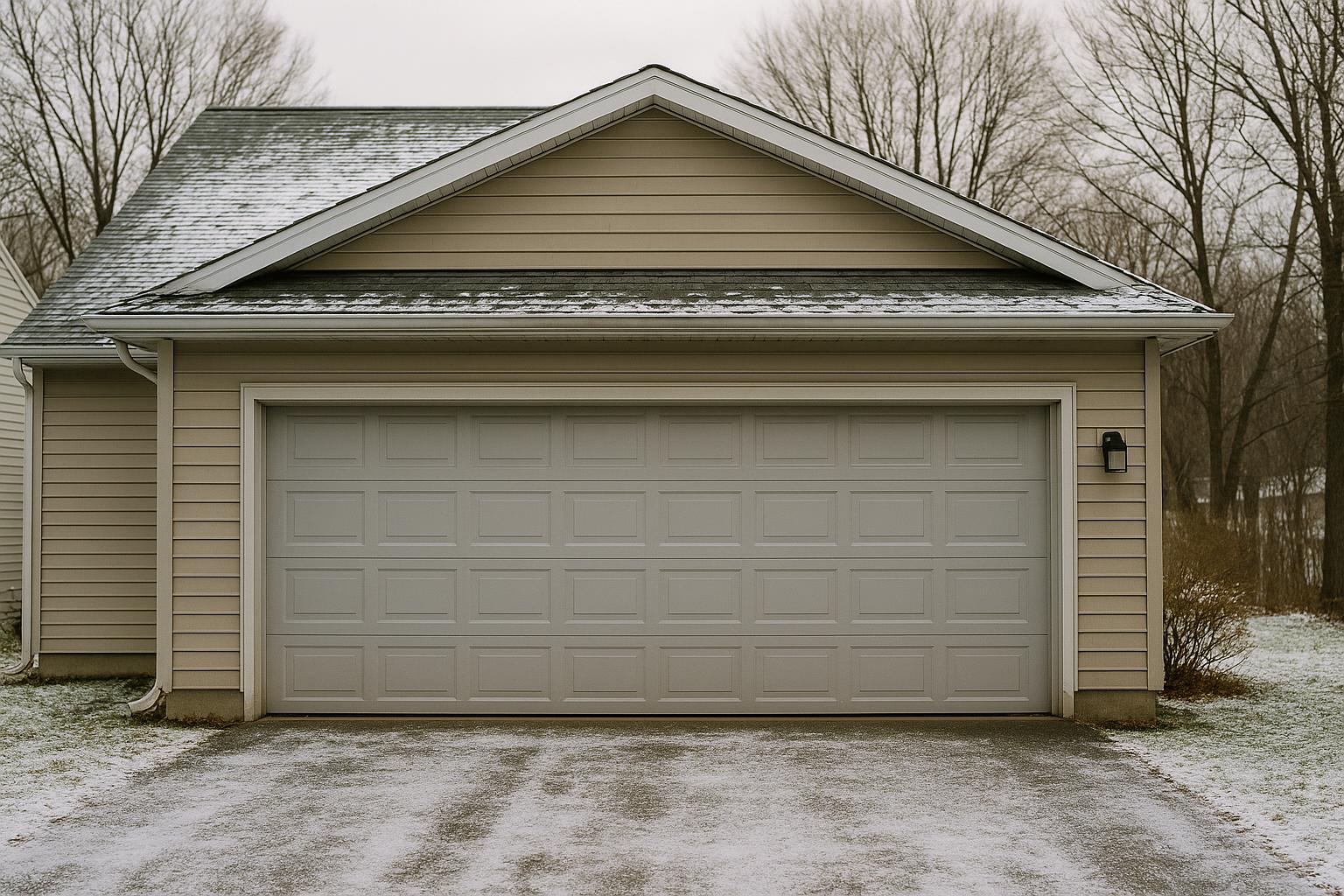
Winter Is Coming — Is Your Garage Door Ready?
If you've lived in Syracuse for even one winter, you know what's coming: heavy snowfall, ice storms, sub-zero wind chills, and the kind of cold that tests everything in your home — including your garage door. Your garage door is the largest moving part of your house, and it takes a beating when temperatures drop. A door that works perfectly in September can become sluggish, noisy, or completely stuck by January.
The good news is that a little preparation goes a long way. Here's a practical guide to winterizing your garage door so you're not stuck outside in a snowstorm wondering why it won't open.
1. Inspect and Replace the Weatherstripping
The rubber weatherstripping along the bottom and sides of your garage door is your first line of defense against cold air, snow, and water. Over time, this seal cracks, hardens, and pulls away — especially after repeated freeze-thaw cycles that are so common in Central New York.
Take a close look at the bottom seal and the weatherstripping around the door frame. If you see cracks, gaps, or sections that have become brittle, it's time for a replacement. Fresh weatherstripping keeps cold air out, helps maintain a more stable temperature inside your garage, and can even reduce your heating bill if your garage is attached to your home.
2. Lubricate All Moving Parts
Cold weather causes metal components to contract, which increases friction and makes your garage door work harder to open and close. This puts extra strain on your opener, springs, and tracks.
Before the first freeze hits, apply a silicone-based or lithium-based lubricant to the following parts:
- Hinges — where the door panels connect
- Rollers — especially metal rollers (nylon rollers need less lubrication but still benefit from it)
- Springs — both torsion and extension springs
- Tracks — a light coat to prevent sticking
- Lock mechanism — if your door has a manual lock
Avoid using WD-40 as a long-term lubricant. It works well as a cleaner and degreaser, but it doesn't provide the lasting protection your garage door needs through months of freezing weather.
3. Check the Balance of Your Door
An unbalanced garage door forces your opener to work overtime, which shortens its lifespan and increases the risk of a breakdown when you need it most. Testing the balance is simple:
- Disconnect the automatic opener by pulling the release handle.
- Manually lift the door about halfway and let go.
- If the door stays in place, it's properly balanced. If it slides up or down, the springs likely need adjustment.
Important: Spring adjustment is dangerous and should always be handled by a professional. Garage door springs are under extreme tension, and attempting a DIY repair can result in serious injury. If your door fails the balance test, give us a call and we'll take care of it safely.
4. Test the Auto-Reverse Safety Features
Your garage door opener has two safety mechanisms designed to prevent the door from closing on a person, pet, or object. Both should be tested before winter, when bulky coats, snow gear, and holiday decorations tend to clutter the garage.
Mechanical reverse test: Place a piece of wood or a brick on the ground in the door's path. Close the door. It should reverse immediately upon contact. If it doesn't, the close-force setting needs adjustment.
Photo-eye test: Close the door and wave an object (like a broom handle) through the photo-eye sensors near the bottom of the door tracks. The door should reverse. If it doesn't, check that the sensors are aligned and clean. Snow, salt residue, and dirt can block them during winter months.
5. Inspect the Door Panels and Hardware
Walk around your garage door and look for visible damage. Cracked panels, loose brackets, fraying cables, and rusted hardware are all issues that get worse in winter. Water seeps into cracks, freezes, and expands — turning a small problem into a big one.
Wooden garage doors are especially vulnerable to moisture damage. If you have a wood door, check for warping, peeling paint, or soft spots that indicate rot. A fresh coat of exterior paint or sealant before winter can extend the life of your door significantly.
Steel and aluminum doors are more resistant to moisture but can still dent and rust. Address any rust spots with a rust-inhibiting primer before the snow and road salt arrive.
6. Clear the Tracks
Debris in your garage door tracks can cause the door to stick, jump, or go off track entirely. Before winter sets in, wipe down the inside of both tracks with a damp cloth to remove dirt, leaves, and cobwebs. Check for any dents or bends in the tracks that could cause problems when the metal contracts in cold weather.
7. Consider Insulating Your Garage Door
If your garage is attached to your home — as many are in neighborhoods across Liverpool, DeWitt, Fayetteville, and other Syracuse-area communities — an uninsulated garage door can be a major source of heat loss. Cold air floods into the garage and seeps through the interior walls into your living space.
Insulated garage doors or retrofit insulation kits can make a noticeable difference. They help maintain a more consistent temperature in the garage, protect items stored inside from freezing, and reduce the workload on your home's heating system. If your current door is old and uninsulated, winter is a great reason to consider a replacement.
8. Keep the Area Around the Door Clear
This one sounds obvious, but it's easy to overlook. Snow and ice buildup at the base of your garage door can freeze the bottom seal to the ground, preventing the door from opening. After a storm, clear snow and ice away from the door's threshold. Applying a thin layer of salt or ice melt along the base can help prevent the seal from freezing to the concrete.
Also, make sure your driveway drains properly so that water doesn't pool in front of the door and freeze into a sheet of ice.
When to Call a Professional
Some winterization tasks are easy DIY projects — lubrication, cleaning tracks, and replacing weatherstripping are all manageable for most homeowners. But if you notice any of the following, it's time to call in a professional:
- The door is visibly unbalanced or difficult to lift manually
- Springs appear worn, stretched, or broken
- The opener is straining, making unusual noises, or failing intermittently
- Cables are frayed or loose
- Panels are cracked or severely damaged
At Syracuse Garage Door, we help homeowners across Syracuse, Camillus, Manlius, and the surrounding areas get their garage doors winter-ready every fall. Whether you need a quick tune-up, a spring replacement, or a full door installation before the snow flies, we're here to help.
Don't Wait for the First Freeze
The best time to winterize your garage door is before you need to. Once temperatures drop and the snow starts piling up, a garage door problem goes from an inconvenience to an emergency. A little preventive maintenance now can save you from a costly repair — and a very cold morning — later this winter.
If you'd like help preparing your garage door for the season, contact Syracuse Garage Door today. We'll make sure your door is ready for whatever Central New York weather throws at it.