
A Frustrating Problem That's More Common Than You Think
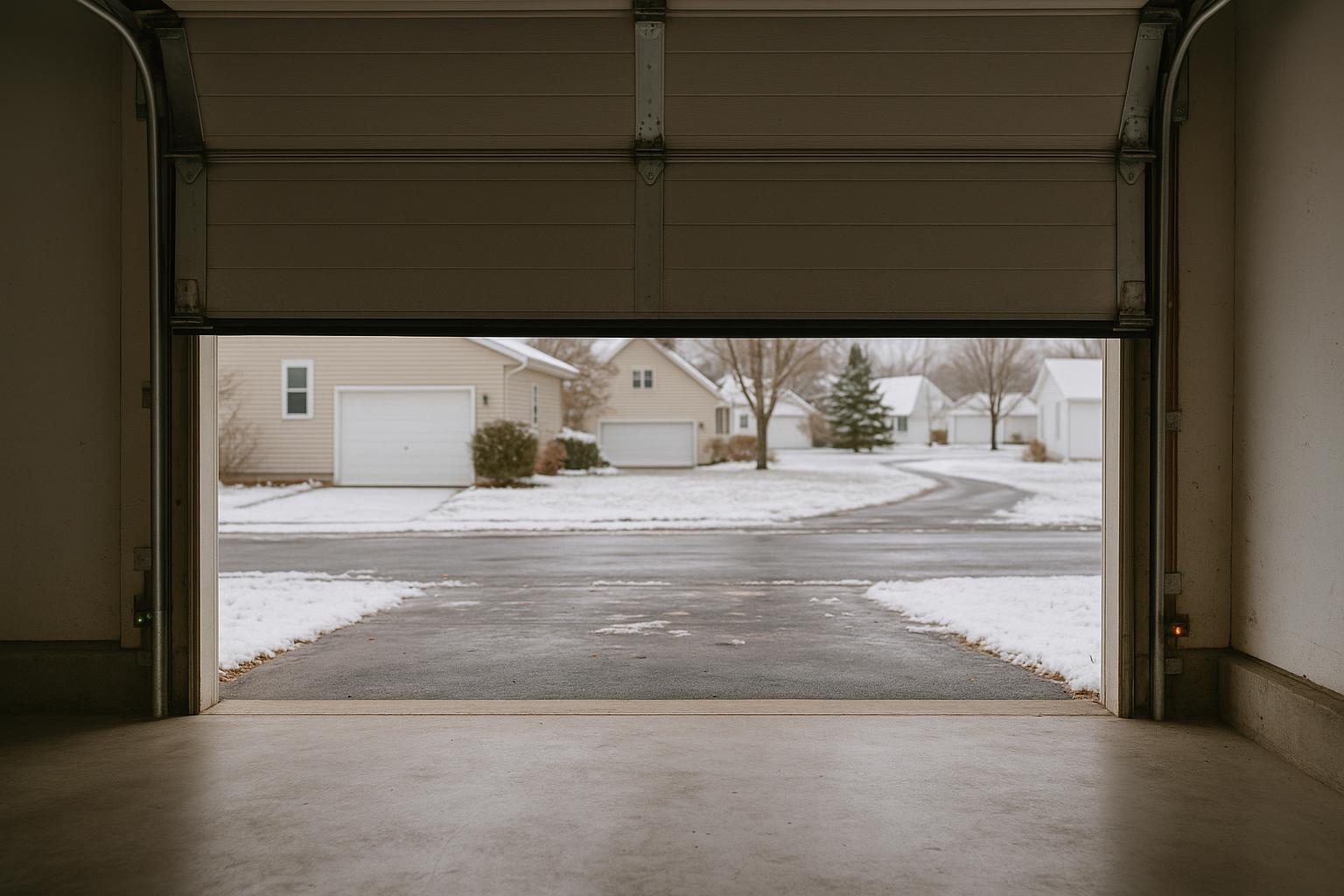
You press the button on your garage door remote, watch the door glide downward, and then — just before it reaches the floor — it stops and reverses back up. You try again. Same result. If this scenario sounds familiar, you're not alone. This is one of the most common garage door complaints we hear from homeowners across Syracuse, and while it can be incredibly frustrating, the good news is that it's usually fixable.
A garage door that reverses before closing completely isn't just an inconvenience. It's a security risk. An open garage is an invitation for theft, pests, and weather damage — especially during Syracuse's harsh winters when freezing temperatures, ice, and snow can wreak havoc on your home. Let's walk through the most common reasons this happens and what you can do about it.
Understanding Your Garage Door's Safety Features
Before diving into the causes, it helps to understand why your garage door is designed to reverse in the first place. Modern garage door openers are equipped with two key safety mechanisms mandated by federal law since 1993:
- Photo-eye sensors: These are the small sensors mounted near the bottom of your garage door tracks on either side. They project an invisible beam across the opening. If anything breaks that beam — a child, a pet, a trash can — the door automatically reverses to prevent injury or damage.
- Auto-reverse mechanism: This feature causes the door to reverse if it encounters physical resistance while closing. If the door hits an object or senses unusual force, it will stop and go back up.
Both of these systems are critical for safety. But when they malfunction or are triggered incorrectly, they can cause your door to reverse even when nothing is actually in the way.
Common Causes of a Garage Door That Reverses
1. Misaligned or Dirty Photo-Eye Sensors
This is the number one cause of unwanted reversals. The photo-eye sensors on either side of your garage door need to be perfectly aligned and free of obstructions to work correctly. Over time, they can get bumped out of alignment, or dirt, cobwebs, and condensation can block the beam.
Start by visually inspecting both sensors. Most have a small LED light — typically green on one side and amber on the other. If one light is blinking or off, the sensors may be misaligned. Gently wipe each sensor lens with a soft cloth and check that both units are pointing directly at each other. In many cases, this simple fix solves the problem immediately.
2. Incorrect Close-Force Settings
Your garage door opener has adjustable force settings that control how much resistance the motor will tolerate before reversing. If the close-force setting is too low, the opener may interpret the normal weight of the door as an obstruction and reverse prematurely.
Most openers have small adjustment dials or screws on the back or side of the motor unit. Consult your owner's manual for the exact location and instructions. Increase the close-force setting slightly and test the door. Be careful not to set it too high, as this can compromise the safety auto-reverse feature.
3. Damaged or Worn Tracks
The metal tracks that guide your garage door up and down need to be straight, clean, and properly aligned. Dents, bends, or debris in the tracks can create resistance that triggers the auto-reverse mechanism. Inspect the tracks visually and run your hand along them to feel for any irregularities. Minor debris can be cleaned out, but bent or damaged tracks typically need professional attention.
4. Worn or Broken Springs
Garage door springs bear the majority of the door's weight. When springs wear out or lose tension, the opener has to work much harder to move the door. This extra strain can cause the opener to interpret the increased resistance as an obstruction and reverse the door.
If you suspect a spring issue, do not attempt to repair or replace the springs yourself. Garage door springs are under extreme tension and can cause serious injury if handled improperly. This is a job for a trained technician. Here in Syracuse, we see spring failures spike during late winter and early spring when temperature fluctuations put extra stress on the metal.
5. Travel Limit Settings Need Adjustment
Your garage door opener uses travel limit settings to determine how far the door should move in both the open and close directions. If the close-travel limit is set incorrectly, the opener may think the door has reached the floor and hit an obstruction when it actually hasn't fully closed yet — or it may try to push the door past the floor, triggering a reversal.
Adjusting the travel limits involves small dials on the opener unit. Make incremental adjustments, testing the door after each change, until it closes fully and stops without reversing.
6. Worn Rollers or Hinges
Over time, the rollers that move along your garage door tracks can wear down, crack, or seize up. Similarly, hinges can become stiff or corroded. Both issues create friction and resistance that the opener may interpret as a blockage. Lubricating your rollers and hinges with a silicone-based garage door lubricant can often resolve this. If the rollers are visibly cracked or chipped, they should be replaced.
When to Call a Professional
Some of the fixes above — cleaning sensors, lubricating rollers, making minor adjustments — are well within the ability of most homeowners. But there are situations where calling a professional is the smarter and safer choice:
- You suspect a broken or weakened spring
- The tracks are visibly bent or damaged
- You've tried the basic fixes and the door still reverses
- The opener motor is making unusual grinding or straining noises
- The door is old and multiple components seem worn
At Syracuse Garage Door, we diagnose and repair these issues every day for homeowners in Syracuse, Liverpool, Camillus, Fayetteville, Manlius, and DeWitt. We carry the parts and tools needed to fix most problems in a single visit, so you're not left with a garage door stuck open overnight.
Preventing Future Reversals
The best way to avoid unexpected garage door problems is regular maintenance. We recommend homeowners do the following at least twice a year — ideally in the spring and fall:
- Clean and inspect the photo-eye sensors to ensure they're aligned and free of debris.
- Lubricate all moving parts including rollers, hinges, springs, and the track with a garage door-specific lubricant.
- Visually inspect the tracks for dents, bends, or buildup.
- Test the auto-reverse feature by placing a block of wood flat on the ground under the door. If the door doesn't reverse upon contact, the safety mechanism needs adjustment.
- Listen for unusual sounds like grinding, squealing, or popping, which can indicate worn components.
If you'd rather leave the maintenance to the pros, we offer comprehensive garage door tune-up services designed to catch small problems before they become big — and expensive — ones.
Don't Ignore a Reversing Garage Door
A garage door that won't close all the way might seem like a minor annoyance, but it leaves your home vulnerable to break-ins, pests, and weather damage. In a city like Syracuse, where winter temperatures regularly drop below freezing, an open garage can also drive up your heating bills and expose your vehicles and stored belongings to the elements.
If you've tried the troubleshooting steps above and your door is still reversing, give Syracuse Garage Door a call. We'll get to the bottom of the problem and have your door working properly again — usually the same day. Because your garage door should work for you, not against you.